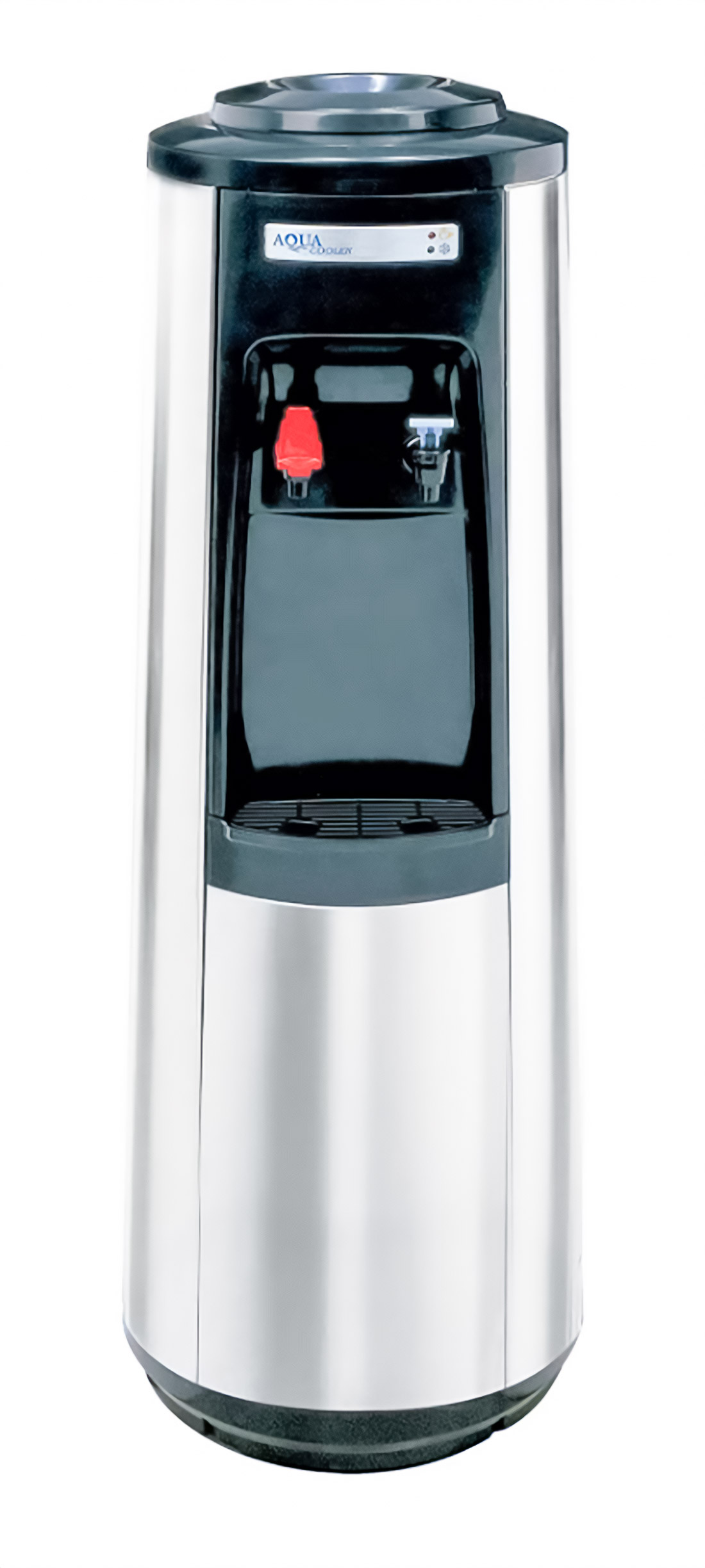
Dubai has secured its status as an international logistics center. Sea, air and land routes form a unique network here. Warehouses and cold chains become the core of this system, where high precision and reliability guarantee global competitiveness.
The Importance Of Warehouses And Cold Chains

Efficient storage is not just a place for cargo. This is an infrastructure where every decision affects inventory, order execution speed, transportation costs, and customer satisfaction. Jebel Ali, the largest artificial port in the world, handles millions of TEUs annually. Its proximity to key routes makes it the foundation of supply chains. Nearby is Dubai Logistics City, a colossal 21 km2 site connected to Al Maktoum Airport. Together, they form a unique hub that ensures the transit of food and medicines without delays and losses.
Cold logistics is of particular importance. The warehouse complexes here are divided into zones: dry goods are stored at +25°C, meat and fish at 0-2°C, and premium seafood at -25°C. For greens, humidity is maintained up to 95%, and for root crops about 85%. Without these precise parameters, it is impossible to maintain quality and extend shelf life.
Technological Transformation
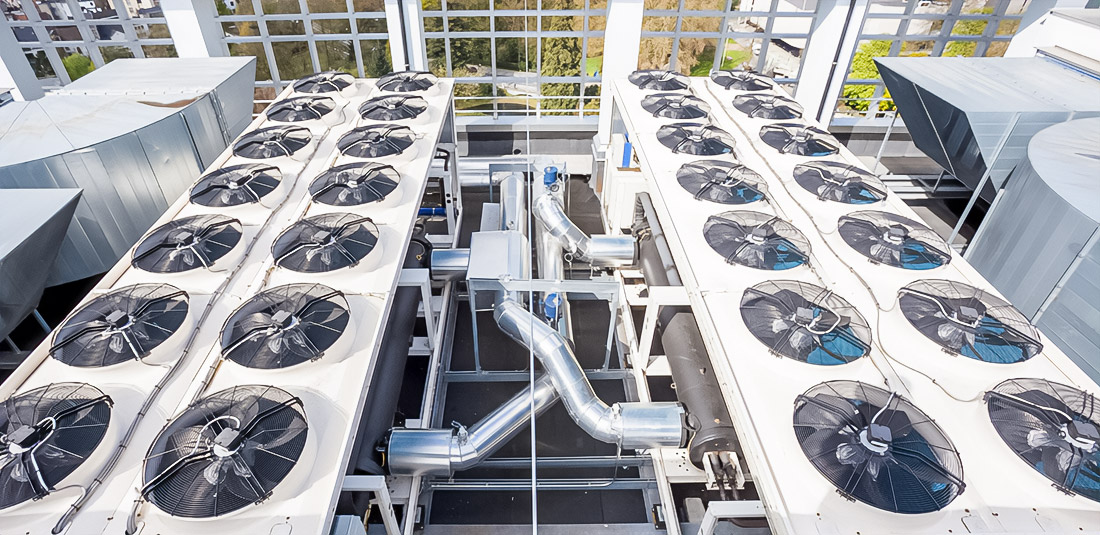
A modern warehouse is an environment where mechanization is intertwined with data. More than 10,000 IoT sensors record temperature and humidity every half minute, transmitting information to the central system. RFID tags allow you to track the movement of goods along the entire chain. Automated AGV trolleys move pallets without human intervention. Vertical shelving ensures maximum space utilization.
AI algorithms analyze sales and predict demand. Predictive analytics identifies the risks of refrigeration equipment failure even before a failure occurs. This approach saves companies from huge losses and downtime.
Energy Efficiency And Sustainable Solutions
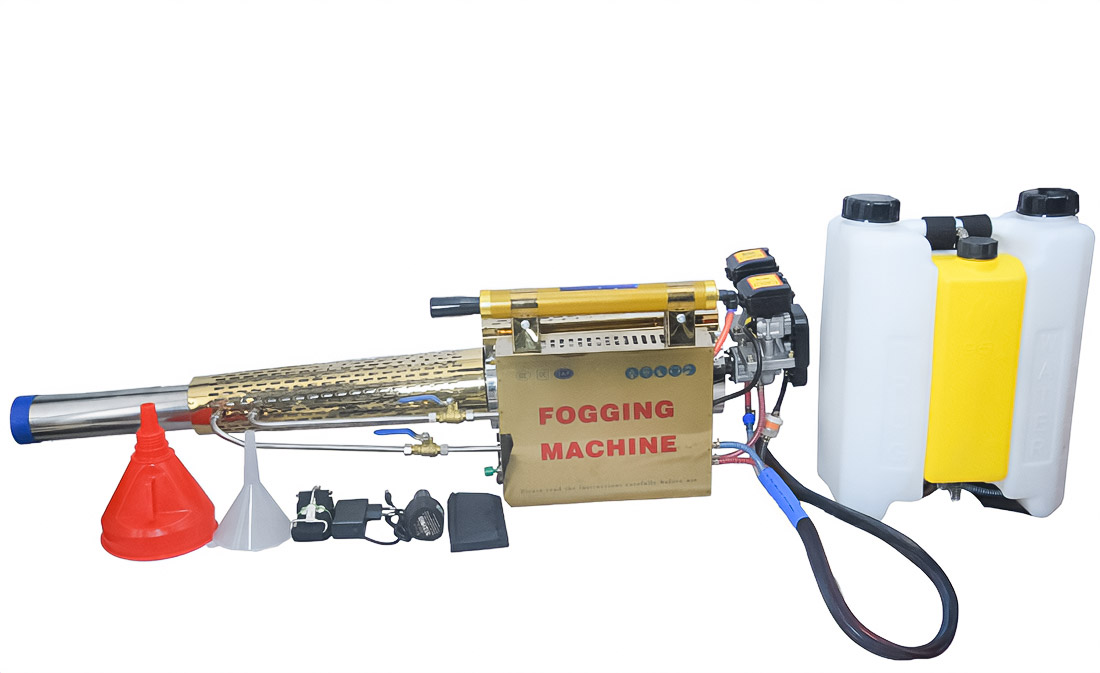
Cold storage facilities are traditionally voracious: they consume 10-15 times more energy per square meter than conventional rooms. Therefore, new standards are being introduced in Dubai. Ammonia plants provide 30% more efficiency. Solar panels cover up to 40% of daily energy consumption. High-reflection coatings are used on roofs to reduce overheating. Insulation with vacuum panels reduces heat loss.
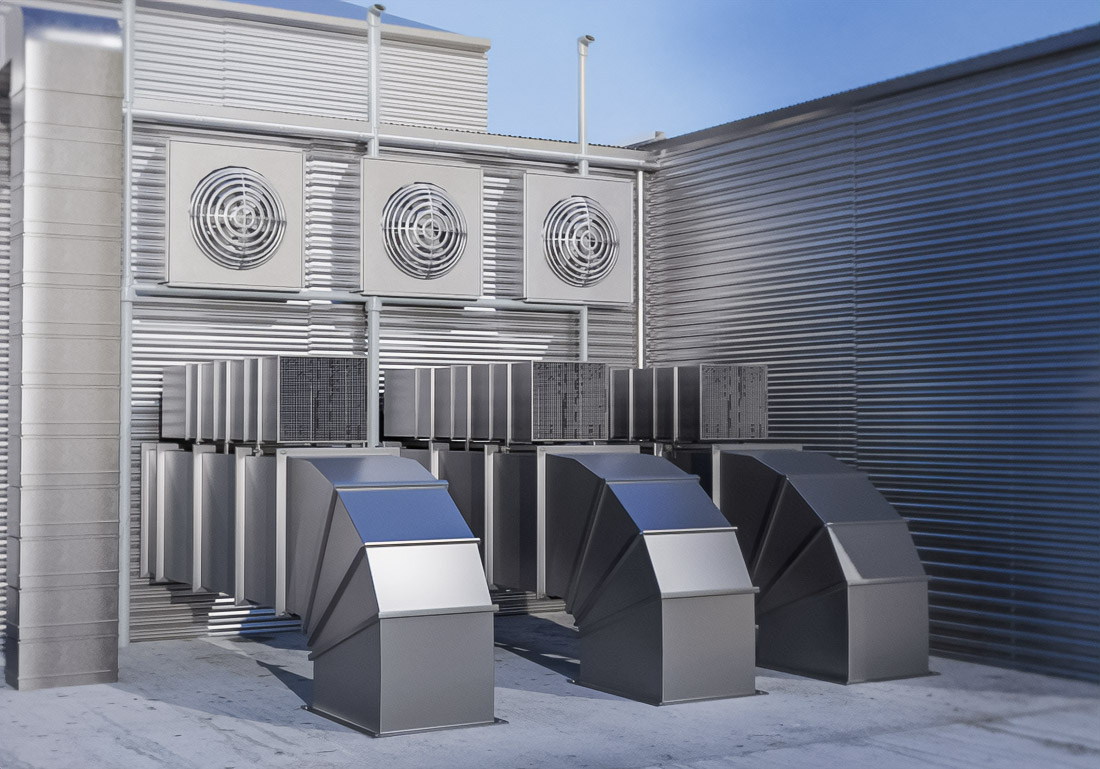
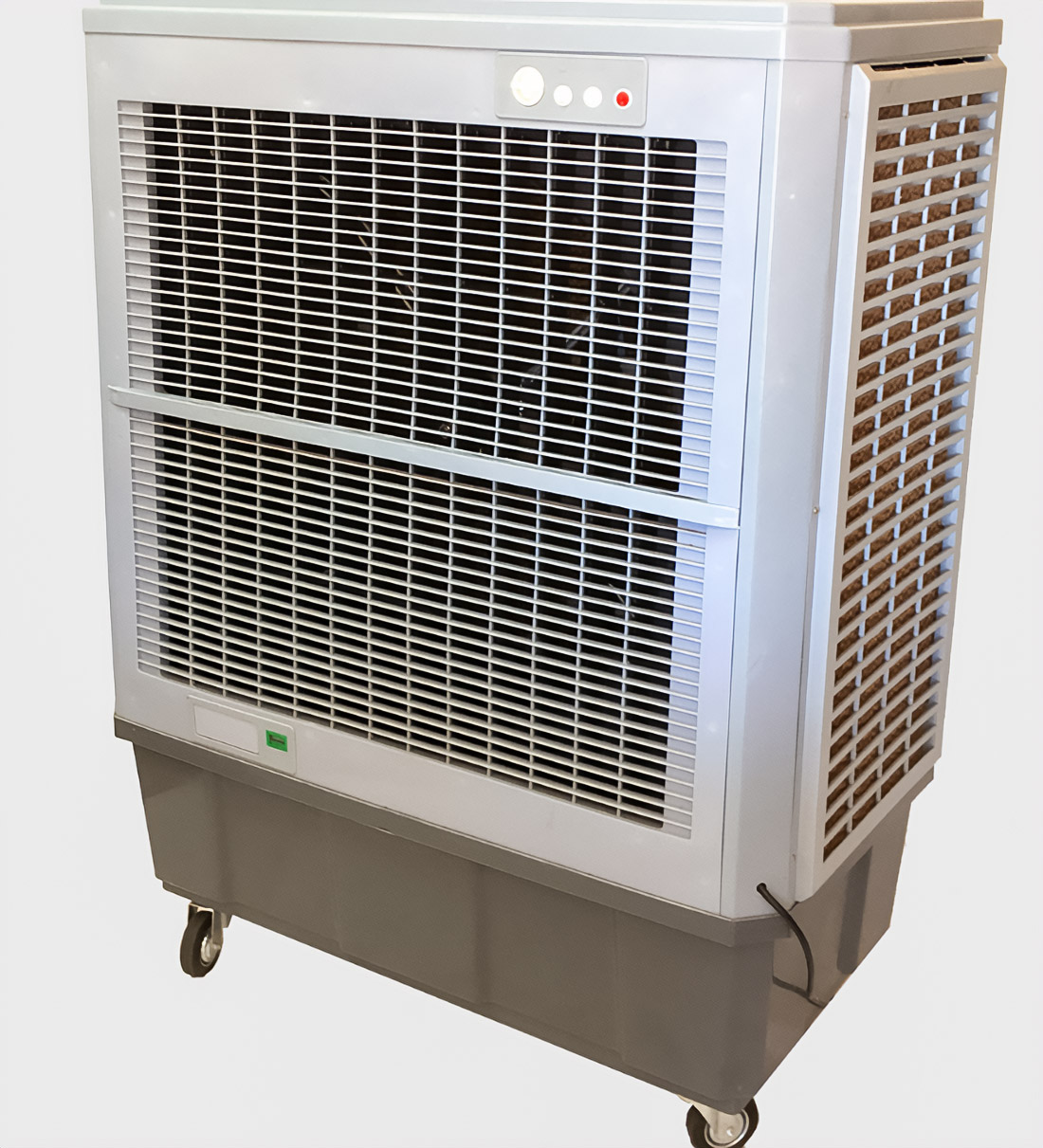
Special attention is paid to ventilation. HVLS fans create air flows 30% wider than standard ones, but they cost only a few cents per hour to operate. They reduce the likelihood of moisture condensation, protect equipment from rust longer, and make working conditions more comfortable. Together with dehumidifiers and intelligent cooling systems, warehouses gain greater reliability and reduce costs. Similar practices have also stimulated demand for household climate solutions: cities are increasingly choosing compact devices like the air cooler Dubai, demonstrating the spread of cooling technologies beyond warehouses.
Regulations And Controls
Food security in the region is tightly controlled. Warehouses are required to comply with HACCP and ISO 22000. Products are labeled as part of the Nutri-Mark, and halal certification is monitored at every stage. Violating the standards is fraught with fines and delays at customs. For companies, this means the need for transparent documentation and continuous monitoring.
Economics And Influence
Each square meter of a modern cold storage generates about AED 850,000 turnover in the food sector annually. Dubai International Airport processes more than 2.5 million tons of cargo per year, and almost a third of them are food products. This scale makes cold logistics not just an industry, but a factor of economic sustainability. Restaurants, hotels, and retailers benefit from stable access to fresh and frozen goods.
Prospects
The growth of online commerce has changed the balance. The last mile becomes a battlefield: micro-warehouses inside the city, temperature-controlled vans, real-time routing. All this creates a new level of requirements for companies.
On the other hand, green logistics is gaining momentum. The use of biodegradable packaging, electric vehicles and renewable energy sources is becoming a competitive advantage. In the future, blockchain technologies for supply chain transparency and the integration of artificial intelligence to predict demand and optimize routes will come to the fore.
Warehouses and cold chains in Dubaiare not just infrastructure. It is a complex where geography, technology, strict standards and sustainable practices combine. High temperatures, energy intensity, and regulatory pressures are turning this sector into a field of experimentation and innovation. Here, a model of future logistics is being formed: accurate, energy efficient, sustainable and ready for unpredictable market challenges.

Fixie owner, self-starter, audiophile, Mad Men fan and storyteller. Working at the crossroads of beauty and computer science to create great work for living breathing human beings. Let’s chat.